


Blog / Wilmington Chevrolet Dealer

Can I Get a Car Loan With Bad Credit in Illinois? | Arnie Bauer Chevrolet

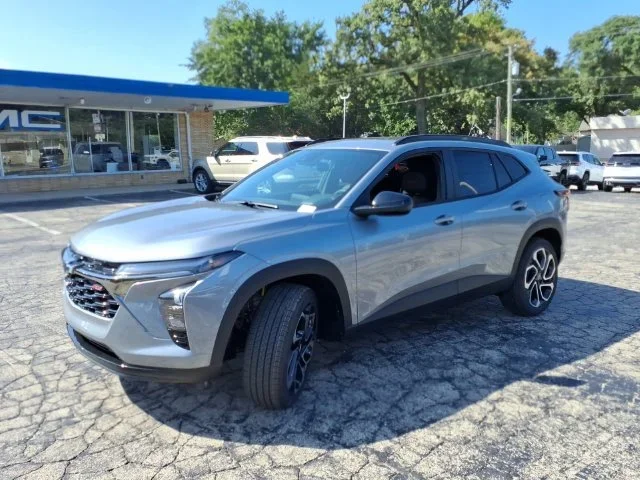
Chevrolet Trax SUV at Arnie Bauer Chevrolet in Wilmington, IL, where drivers can explore auto financing options for bad credit or no credit.

Can I Get a Car Loan With Bad Credit in Illinois? Your Financing Questions Answered

Yes, you may be able to get a car loan with bad credit in Illinois. A low credit score doesn't automatically disqualify you from financing a vehicle. Lenders consider several factors beyond your credit score, including your income, existing debt, down payment, and the vehicle you want to purchase.

At Arnie Bauer Chevrolet in Wilmington, IL, we work with customers who have bad credit, no credit, or are rebuilding their credit. Our finance team works with multiple lenders to help drivers explore financing options based on their individual circumstances.

Whether you're shopping for a dependable vehicle to commute from Braidwood to Joliet, purchasing your first car in Coal City, or simply trying to get back on the road, we're here to help you understand your options.

What Credit Score Do You Need to Get a Car Loan in Illinois?

There is no single minimum credit score required to apply for an auto loan in Illinois. Each lender establishes its own credit requirements and evaluates applications individually.

This means someone with a lower credit score may still qualify for financing, although the lender could require additional conditions.

Depending on your situation, those conditions might include:

  • A larger down payment
  • A qualified co-signer
  • A different loan term
  • Additional proof of income
  • Choosing a vehicle within a specific price range

At Arnie Bauer Chevrolet, we understand that credit scores don't tell the whole story. Our finance team takes the time to learn about your circumstances and help identify financing options that may work for you.

Can I Get a Car Loan With a 500 Credit Score?

Yes, financing a car with a 500 credit score may be possible, but approval isn't guaranteed. Lenders may offer different rates, down payment requirements, and loan terms based on your complete financial profile.

For example, a customer with a 500 credit score, steady employment, manageable debt, and money available for a down payment may have different financing options than someone with the same score but a different financial situation.

Instead of assuming you won't qualify, consider speaking with a finance professional who can help you evaluate your options.

How to Get a Car Loan With Bad Credit in Illinois: 5 Steps

If you're ready to purchase a vehicle but concerned about your credit, preparing ahead of time can help make the process easier.

Step 1 Understand Your Budget and Credit Situation

Before shopping for a vehicle, determine what you can comfortably afford each month.

Remember to account for more than just your car payment. Insurance, fuel, maintenance, and other ownership expenses should also be part of your budget.

It's also helpful to review your credit report for inaccurate information before applying.

You don't necessarily need excellent credit to begin shopping, but understanding your financial situation can help you make a more informed decision.

Step 2 Choose a Vehicle That Fits Your Budget

The vehicle you select plays an important role in the financing process.

Lenders evaluate the proposed loan amount, vehicle value, age, mileage, and other factors when reviewing an application.

At Arnie Bauer Chevrolet, our team can help you explore new and used vehicles that fit your transportation needs without overlooking affordability.

For example, a Chevrolet Trax or Trailblazer may be worth considering if you're looking for a practical new SUV. A CarBravo certified used vehicle may also offer an appealing combination of value and added ownership benefits.

Step 3 Determine Whether You Have a Down Payment or Trade-In

Having money available for a down payment may improve your financing options.

A larger down payment reduces the amount you need to borrow and may help satisfy certain lender requirements.

If you already own a vehicle, its trade-in value may also help reduce the amount financed.

Don't have a down payment? You can still explore your options. Some applicants may qualify for financing with little or no money down, depending on the lender, vehicle, and credit profile.

Step 4 Gather Your Financing Documents

Having your paperwork ready can save time and help avoid unnecessary delays.

Our finance team generally recommends bringing:

  • A valid driver's license
  • Your two most recent pay stubs
  • A W-2 or 1099 if applicable
  • Bank statements, when accepted for income verification
  • Proof of residency, such as a utility bill, cell phone bill, or bank statement
  • Proof of auto insurance

Some lenders may request additional documentation based on your circumstances.

Step 5 Submit Your Credit Application and Review Financing Options

At Arnie Bauer Chevrolet, you can begin the process from home by completing our online finance application.

Submitting your information before visiting can save time at the dealership.

However, completing a credit application is not the same as receiving financing approval.

To obtain a lender's financing decision through our dealership, you'll need to select a specific vehicle and have a proposed deal in place.

Our team can help you choose a vehicle, structure the proposed purchase, and review the financing options available for your situation.

Can I Buy a Car With Bad Credit and No Money Down?

Yes, buying a car with bad credit and little or no money down may be possible in Illinois, but it depends on your individual qualifications and the lender's requirements.

Some lenders may require a down payment, particularly when an applicant has challenged credit.

Others may offer financing with a smaller down payment or no down payment for qualifying customers.

Your income, debt obligations, credit history, and selected vehicle can all influence the decision.

Does a Larger Down Payment Help With Bad Credit?

A larger down payment can sometimes improve your financing options because it reduces the amount you're borrowing.

For example, if you're purchasing a $20,000 vehicle and put $3,000 down, the vehicle price remaining before taxes, fees, and other charges is $17,000.

A lower loan amount may help with lender requirements and can reduce your overall borrowing costs.

That doesn't mean you need thousands of dollars saved before visiting our dealership. Our team can help you explore what's realistic based on your circumstances.

Can I Trade In My Car if I Have Bad Credit?

Yes. Trading in your current vehicle may help with your next purchase, regardless of your credit score.

If your current vehicle is paid off, its trade-in value can be applied toward your next purchase, similar to a down payment.

For example, if your paid-off vehicle has a trade-in value of $7,000, that amount may help reduce the balance you need to finance.

What if I Still Owe Money on My Trade-In?

You may still be able to trade in a vehicle with an outstanding loan.

The key is understanding whether you have positive or negative equity.

  • Positive equity means your vehicle is worth more than what you owe. That difference may be applied toward your next purchase.
  • Negative equity means you owe more than the vehicle is currently worth.

For example, if you owe $15,000 on a vehicle worth $12,000, you have $3,000 in negative equity.

Depending on lender approval and the terms of the transaction, some negative equity may be included in a new loan. However, this increases the amount financed and can make your next vehicle more expensive.

Not sure what your current vehicle is worth?

Get an Offer for Your Trade-In

Our team can help you understand how your trade-in may affect your next purchase.

What Are the Best Cars to Finance With Bad Credit?

The best vehicle to finance with bad credit is one that meets your transportation needs, fits your budget, and satisfies the lender's financing requirements.

A lower purchase price may help reduce your loan amount, but vehicle age, mileage, condition, and value also matter.

At Arnie Bauer Chevrolet, we recommend exploring several options rather than assuming you need to purchase a particular type of vehicle.

Chevrolet Trax: A Practical, Affordable SUV

The Chevrolet Trax is an option for drivers looking for a new SUV without moving into the price range of many larger models.

Its compact design, versatile interior, and modern technology make it worth considering for first-time buyers, commuters, and drivers who want everyday practicality.

For someone commuting around Wilmington, Joliet, or Coal City, the Trax may provide the space and convenience needed for daily driving.

Chevrolet Trailblazer: Flexibility for Illinois Drivers

The Chevrolet Trailblazer is another SUV worth exploring when balancing affordability and versatility.

With flexible cargo space, modern driver-assistance technology, and available all-wheel drive on select models, the Trailblazer offers features that can appeal to drivers dealing with Illinois' changing seasons.

Both the Trax and Trailblazer may be good starting points when discussing affordable new vehicle options with our finance team.

CarBravo Certified Used Vehicles: Value and Peace of Mind

If you're considering a pre-owned vehicle, CarBravo certified inventory is worth exploring.

CarBravo offers certified used vehicles with program-specific inspection standards and ownership benefits. Eligible vehicles may also qualify for special financing promotions when available.

For customers concerned about vehicle reliability and overall value, a certified used vehicle may provide added confidence.

Special financing offers are not available to every applicant, and certification does not guarantee loan approval.

Our team can help you compare available vehicles and understand which options may work with your financing situation.

Does Bad Credit Mean a Higher Car Loan Interest Rate?

Generally, borrowers with lower credit scores may receive higher interest rates because lenders consider them a greater lending risk.

However, your interest rate is not determined by your credit score alone.

Lenders may also consider your income, current debt, loan amount, down payment, vehicle, and repayment term.

What's the Difference Between APR and Monthly Payment?

When comparing auto loans, it's important to look beyond the monthly payment.

Your annual percentage rate (APR) represents the yearly cost of borrowing, including interest and certain financing fees.

Your monthly payment is the amount you're required to pay each month under the loan agreement.

A longer loan term may lower your monthly payment, but it can also increase the total interest you pay.

For example, a lower monthly payment spread over 72 months isn't necessarily a better financial choice than a slightly higher payment over 60 months.

Before agreeing to a loan, review the APR, loan term, amount financed, total payments, and overall cost.

At Arnie Bauer Chevrolet, we want customers to understand their options and feel comfortable with their purchase decisions.

Will Applying for a Car Loan Hurt My Credit Score?

Applying for an auto loan may result in a hard credit inquiry, which can temporarily affect your credit score.

However, credit scoring models generally recognize that consumers may compare financing options from multiple lenders.

Depending on the scoring model, multiple qualifying auto loan inquiries made within a 14- to 45-day shopping period are generally treated as a single inquiry for scoring purposes.

Submitting an application does not guarantee approval, and the effect on your credit can vary.

If you have questions about the application process, our finance team can explain the next steps before you proceed.

Why Choose Arnie Bauer Chevrolet for Auto Financing Near Joliet, IL?

When you're shopping for a vehicle with challenged credit, you deserve a dealership that takes the time to understand your situation.

Arnie Bauer Chevrolet is part of a family-owned automotive group with roots dating back to 1945.

At our Wilmington dealership, we take pride in offering a more personal approach to the car-buying experience.

We're a smaller store, and that means our team can focus on getting to know our customers, understanding their needs, and helping them explore vehicles that make financial sense.

Our finance department works with multiple lenders, allowing us to explore different financing possibilities based on individual qualifications.

We understand that someone rebuilding their credit may have different concerns than someone purchasing their first vehicle.

Our goal isn't simply to sell you a car. We want to help you find transportation that fits your life and a payment you can realistically manage.

Serving Wilmington, Braidwood, Coal City, Joliet, and Surrounding Illinois Communities

Reliable transportation matters throughout Will County and the surrounding area.

Whether you're commuting to work in Joliet, traveling between Braidwood and Wilmington, or making regular trips from Coal City or Diamond, having a dependable vehicle can make everyday life easier.

At Arnie Bauer Chevrolet, we welcome customers from Wilmington, Braidwood, Coal City, Joliet, Elwood, Diamond, Morris, and nearby Illinois communities.

You don't have to navigate the financing process alone. Our team is here to help you explore your next steps.

Frequently Asked Questions About Bad Credit Car Loans in Illinois

Can I get approved for a car loan with bad credit in Illinois?

Yes, it's possible. Lenders consider your credit history, income, debt, down payment, and vehicle when evaluating an application. Approval and financing terms vary by lender and individual circumstances.

What is the lowest credit score you can have to finance a car?

There is no universal minimum credit score for auto financing in Illinois. Different lenders have different requirements, and some may consider applicants with low or limited credit histories.

Can I finance a car with a 500 credit score?

Possibly. Some lenders consider applicants with credit scores around 500, but additional requirements, higher interest rates, or a co-signer may be necessary. Approval is not guaranteed.

Can I get a car loan with no credit history?

Yes, first-time buyers and customers with no established credit history may have financing options. Lenders may request additional income verification, a down payment, or a qualified co-signer.

Do I need a co-signer to buy a car with bad credit?

Not always. Some applicants qualify independently, while others may need a qualified co-signer to meet lender requirements. A co-signer shares responsibility for repaying the loan.

Can I get a car loan with bad credit and no down payment?

It may be possible. Zero-down financing depends on your credit profile, income, selected vehicle, and lender requirements. Some applicants may need a down payment to qualify.

Is it easier to get approved for a used car or a new car with bad credit?

Neither is automatically easier. A less expensive used vehicle may reduce the loan amount, but lenders also consider age, mileage, vehicle value, and other factors. Approval depends on the complete transaction.

Can I apply for financing online before choosing a vehicle?

Yes. You can submit an online credit application at Arnie Bauer Chevrolet to save time. However, a vehicle must be selected and a proposed deal established before our dealership can obtain a lender's financing decision.

Can financing a car help rebuild my credit?

An auto loan may help you build a positive payment history if the lender reports payments to credit bureaus and you consistently make payments on time. Late or missed payments can negatively affect your credit.

Where can I get help with bad credit car financing near Wilmington, IL?

Arnie Bauer Chevrolet in Wilmington works with customers who have bad credit, no credit, or are rebuilding their credit. Our finance team helps drivers from Wilmington, Braidwood, Coal City, Joliet, and surrounding communities explore financing options.
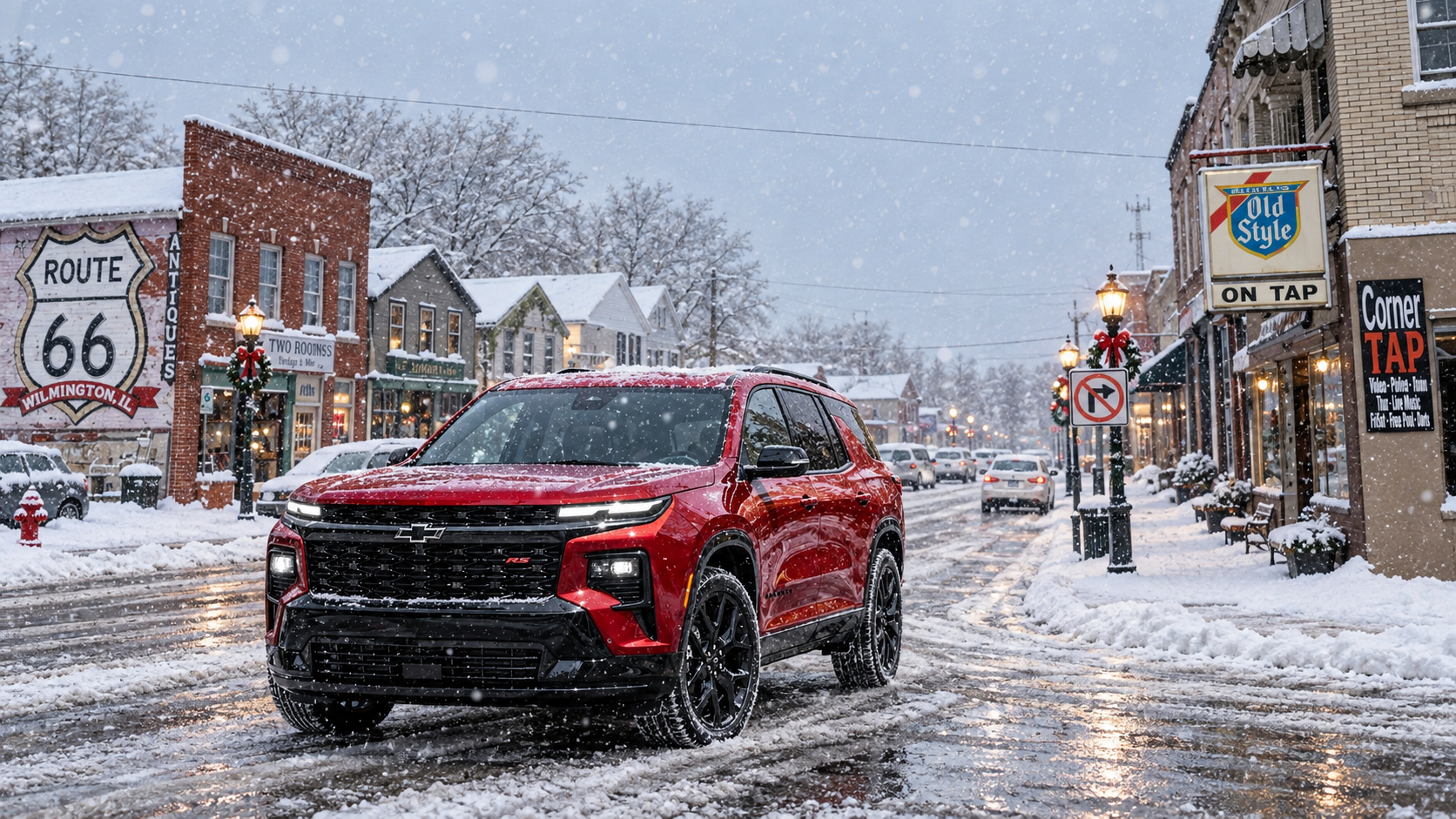
Ready to Explore Your Car Financing Options in Wilmington, IL?

Your credit history is only one part of your financial story, and it doesn't have to stop you from exploring your options.

At Arnie Bauer Chevrolet, we believe the car-buying experience should be personal, informative, and focused on what works for you.

Whether you're purchasing your first vehicle, rebuilding your credit, or looking for a more affordable way to get into your next car, we're here to help.

Concerned about your credit? Let's talk about your options.

Schedule an appointment with our team to discuss your budget, explore available vehicles, and learn about financing possibilities based on your circumstances.

You can also get a head start by completing our online credit application before your visit.

Visit Arnie Bauer Chevrolet at 901 E. Baltimore Street, Wilmington, IL.

Your dollar has more power at Arnie Bauer!

Financing is subject to credit approval and lender requirements. Available rates, down payments, terms, and financing options vary by applicant and vehicle. No approval or specific financing terms are guaranteed.

Posted in:

Related Posts

Black Chevrolet Silverado Trail Boss parked on a snow-covered dirt road surrounded by winter trees in Wilmington IL

Chevy Slow to Start on Cold Mornings? Your Battery Is Trying to Tell You Something

Out here along Route 66 in Wilmington, winter mornings come with biting wind across open fields and temperatures that drop fast. That kind of weather is tough on any truck, SUV, or car sitting outside overnight. If your Chevrolet has been a little slow to fire up lately, don't ignore the warning sign. A slow turn on a chilly autumn morning almost always turns into a dead battery by January. What's Really Happening to Your Chevy's Battery in Cold Weather? Cold weather slows down the chemical reaction inside your battery, reducing its ability to generate electrical current. At the same time, freezing temperatures thicken your engine oil, forcing the starter motor to work twice as hard. In short: your battery has significantly less power to give right when your Chevrolet engine demands the most. Furthermore, batteries that were weakened by hot summer temperatures are usually the first to fail when the first cold snap hits Will County. Quick Checklist: Signs Your Chevy Battery Is Failing If you notice any of these common symptoms, your battery is likely reaching the end of its lifespan: Slow Engine Crank: The engine turns over sluggishly or makes a clicking sound when turning the key or pushing Push-Button Start. Jump Start History: You've had to use jumper cables or a portable jump pack within the last few months. Dimming Lights: Headlights or interior cabin lights dim when idling or powering up accessories like heated seats or defrost. Dashboard Warning Lights: A battery icon, charging system message, or Check Engine light appears on your display. Inactive Auto Stop/Start: The Auto Stop/Start system stops engaging during normal driving stops. Corrosion on Terminals: White, blue, or green powdery crust is visible around the battery posts. Age: The battery is more than 3 to 5 years old. Local Tip: If you checked two or more items above, stop by Arnie Bauer Chevrolet GMC for a quick battery health test before winter sets in. Why Trucks, Commercial Vehicles, and Modern Chevy SUVs Need Extra Power Modern vehicles place heavier demands on electrical systems than older models did: Vehicle Type High-Power Accessories & Conditions Battery Requirement Silverado / Commercial Trucks Snowplow controllers, auxiliary light bars, trailer brake controllers, heavy towing loads High Cold-Cranking Amps (CCA) & Heavy-Duty Charging Tahoe, Suburban & Traverse Multi-zone climate control, heated seats, multiple passenger devices plugged into USB ports Extended reserve capacity for high electrical loads Short Commuters & Work Vehicles Frequent short trips around Wilmington, job site hops, school drop-offs High-efficiency charging (short trips don't give standard alternators time to fully recharge) Absorbent Glass Mat (AGM) vs. Standard Lead-Acid Batteries Many modern Chevrolet vehicles equipped with Auto Stop/Start technology require an AGM (Absorbent Glass Mat) battery. Installing a standard flooded lead-acid replacement in a vehicle designed for an AGM battery can lead to premature battery failure, electrical errors, and damage to your alternator. Chevrolet EV Owners: Don't Forget Your 12-Volt Battery If you drive an Equinox EV, Blazer EV, or Silverado EV, your vehicle still relies on a standard 12-volt accessory battery. While the large high-voltage lithium-ion pack propels the vehicle, the 12V battery powers the onboard computers, safety systems, door locks, and contactors that initialize the main EV system. If your 12V battery dies, your electric vehicle will not start—even with a 100% full high-voltage charge. What the Arnie Bauer Chevrolet GMC Service Team Checks When you bring your vehicle to our Wilmington service center, our certified GM technicians perform a comprehensive battery and electrical system diagnosis: Battery Health & Cold-Cranking Power: Testing remaining CCA against factory specs. Alternator & Charging Output: Ensuring your engine is properly recharging the battery while driving. Terminals, Cables & Grounding: Cleaning corrosion and tightening loose physical connections. Exact GM-Recommended Replacement: Matching your specific Chevrolet model with the precise ACDelco AGM or Flooded battery rated for your powertrain. Frequently Asked Questions How long does a battery test take at Arnie Bauer Chevrolet? A standard battery and charging system test takes roughly 15 to 20 minutes. Our GM-certified service technicians can test your battery right on the drive during a routine oil change or tire rotation. How often should I replace my Chevy battery in Northern Illinois? In Illinois, automotive batteries typically last between 3 and 5 years. Extreme summer heat followed by sub-zero winter temperatures accelerates internal battery degradation. Where can I get a Chevy battery tested near Wilmington, IL? You can get your battery tested at Arnie Bauer Chevrolet GMC, conveniently located at 901 E Baltimore St. in Wilmington, serving drivers across Wilmington, Braidwood, Coal City, Elwood, Manhattan, and surrounding Will County. Stop In Before Winter Sets In Don't wait to be stranded on a freezing morning. Arnie Bauer Chevrolet GMC is right here at 901 E Baltimore St. in Wilmington, IL, serving drivers throughout Wilmington, Braidwood, Coal City, Elwood, Manhattan, and across Will County. We'll test your battery quickly and give you a straight, honest answer on its condition. 📍 Address: 901 E Baltimore St, Wilmington, IL 60481 📞 Service Direct Line: 815-926-1206 ⏰ Service Hours: Monday–Friday 7:00 AM – 5:00 PM | Saturday 8:00 AM – 1:00 PM | Sunday Closed 👉 Click Here to Schedule Your Chevy Service Online or call our service department today!

2027 Chevrolet Traverse shown in a snowy Route 66 setting in Wilmington, Illinois.

What Is the Best Chevy SUV for Chicago Winters?

Chicago winters can be unpredictable. Snow-covered roads, freezing temperatures, icy intersections, strong winds and rapidly changing conditions can make the right vehicle especially important for drivers throughout Northern Illinois. For drivers in Wilmington, Joliet, Morris, Coal City, Braidwood, Channahon, Minooka and surrounding Will and Grundy County communities, choosing a Chevrolet SUV for winter driving often comes down to a few key considerations: traction, passenger space, cargo capacity, comfort and the type of driving you do most often. So, what is the best Chevy SUV for Chicago winters? There isn't one answer for every driver. Chevrolet offers compact SUVs with available all-wheel drive, spacious three-row SUVs and full-size models with available four-wheel drive. Chevrolet also offers electric SUVs with available AWD for drivers considering an EV. Here are some of the Chevrolet SUVs worth considering for winter driving in Chicago and Northern Illinois. Chevrolet Equinox: A Versatile Choice for Everyday Winter Driving For many Chicago-area drivers, the Chevrolet Equinox provides a practical combination of manageable size, passenger space and available all-wheel drive. The 2026 Chevrolet Equinox is powered by a 1.5L turbocharged engine producing 175 horsepower and is available with AWD. It also provides up to 63.5 cubic feet of maximum cargo volume, giving drivers useful space for groceries, luggage, winter gear and everyday cargo. Cold-weather comfort is another advantage. Heated front seats and a heated steering wheel are included on the 2026 Equinox LT. For drivers commuting around Wilmington, Joliet, Morris, Coal City and surrounding communities, an AWD-equipped Equinox can be a practical choice for year-round driving without moving into a larger three-row SUV. Chevrolet Traverse: Three-Row Space with Available AWD Families who need more passenger and cargo space may want to consider the Chevrolet Traverse. The 2026 Chevrolet Traverse offers available all-wheel drive, available seating for up to eight passengers and up to 98 cubic feet of maximum cargo volume. Heated front seats and a heated steering wheel are also standard on the 2026 Traverse, adding welcome comfort during cold Illinois mornings. The Traverse can be especially appealing to families who regularly carry children, passengers, groceries, sports equipment or luggage but don't necessarily need the size of a full-size Tahoe or Suburban. For family driving between Wilmington, Joliet, Morris and the greater Chicago area, the Traverse combines three-row versatility with available AWD. Chevrolet Blazer: A Sporty Two-Row SUV with Available AWD Drivers looking for a two-row SUV with a sportier personality may want to consider the Chevrolet Blazer. The 2026 Chevrolet Blazer seats up to five passengers and provides up to 64.2 cubic feet of maximum cargo volume. All-wheel drive is available, while the Blazer RS AWD features an Advanced Twin-Clutch AWD system. The Blazer's Driver Mode Selector can also include an available Snow/Ice Mode, depending on configuration. This mode is designed to help the vehicle adapt its performance to slippery road surfaces. Remote start is also standard on the 2026 Blazer, which can be particularly convenient during an Illinois winter. For drivers who want more space than a compact crossover while still preferring a two-row SUV, the Blazer offers another option within Chevrolet's winter-capable lineup. Chevrolet Trailblazer: Compact Size with Available AWD Not every driver needs a large SUV to handle everyday life in Northern Illinois. The 2026 Chevrolet Trailblazer is a compact SUV with seating for up to five and available all-wheel drive. Its smaller dimensions can make it convenient for commuting, parking and everyday errands while still giving drivers the option of AWD. For someone looking for a compact Chevy SUV for driving around Wilmington, Joliet, Morris or the southwest Chicago suburbs, an AWD-equipped Trailblazer may be worth considering. Chevrolet Tahoe: Full-Size Space and Available 4WD Drivers who need considerably more passenger room, cargo capacity or capability should consider the Chevrolet Tahoe. The 2026 Chevrolet Tahoe offers seating configurations for up to nine passengers and as much as 122.7 cubic feet of maximum cargo volume. Four-wheel-drive configurations are available, giving shoppers another drivetrain option when comparing vehicles for winter weather, towing, travel and other demanding driving needs. The Tahoe is especially relevant for larger families or drivers who routinely carry significant amounts of cargo and want the size and capability of a full-size SUV. For winter road trips, family travel and daily driving throughout Northern Illinois, the Tahoe provides much more interior room than Chevrolet's compact and midsize SUVs. Chevrolet Suburban: Maximum Passenger and Cargo Space For drivers who want even more room, the Chevrolet Suburban expands on the full-size SUV formula. The 2026 Suburban offers available seating for up to nine passengers and up to 144.5 cubic feet of maximum cargo volume. Four-wheel-drive configurations are available as well. That combination can be particularly useful for large families or drivers who routinely travel with passengers, luggage, sporting equipment or other bulky cargo. For shoppers around Wilmington, Joliet, Morris and surrounding Will and Grundy County communities who prioritize maximum interior space, the Suburban deserves consideration. Is AWD or 4WD Worth It for Chicago Winters? For many Northern Illinois drivers, AWD or 4WD can be beneficial when winter weather arrives. All-wheel drive and four-wheel drive can help improve traction when accelerating on snow-covered or slippery surfaces because power can be delivered through all four wheels rather than only two. However, AWD and 4WD do not make a vehicle immune to winter conditions. They do not eliminate the need for additional stopping distance, appropriate speeds or properly maintained tires. Tires remain the vehicle's direct connection to the road and play an important role in braking, steering and overall traction. Drivers who frequently travel during snow, ice and prolonged freezing temperatures should consider drivetrain and tire condition together when preparing a vehicle for an Illinois winter. What Features Should You Look for in a Chevy SUV for Winter? When shopping for a Chevrolet SUV for winter driving, available AWD or 4WD is often one of the first features shoppers consider. But drivetrain isn't the only consideration. Cold-weather comfort features such as heated front seats, a heated steering wheel and remote start can make freezing mornings much more comfortable. Feature availability varies by model, trim and configuration. Visibility and driver-assistance technology may also be useful when winter weather makes driving more demanding. Snow, darkness, road spray and reduced visibility can all add challenges during an Illinois winter. And don't overlook your tires. Even with AWD or 4WD, proper tire condition is important for braking, steering and available traction. Are Electric Chevrolet SUVs Good for Chicago Winters? Chevrolet electric SUVs can also be driven year-round in cold climates. Chevrolet currently offers electric SUVs such as the Equinox EV and Blazer EV, with AWD configurations available. Chevrolet states that its EVs are subjected to testing in conditions as cold as -40°F to evaluate areas including battery function, traction and cabin climate control. Cold weather can still affect EV range efficiency. Factors including outside temperature, cabin heating, vehicle condition and driving behavior can influence how much range is available during winter. Chevrolet EVs use technologies including battery thermal management and heat-pump systems to help manage cold-weather performance and efficiency. For shoppers considering an EV in Wilmington or the surrounding Chicago area, home-charging access, daily driving distance and typical winter travel should all be considered when deciding whether an electric SUV fits their lifestyle. Which Chevy SUV Is Best for a Chicago Winter? The best Chevrolet SUV for a Chicago winter depends on how you drive. For everyday commuting and smaller families, the Chevrolet Equinox offers available AWD in a compact package along with useful cargo space and cold-weather comfort features. Drivers who prefer an even smaller SUV can consider the Trailblazer with available AWD. The Blazer offers a larger two-row alternative with available AWD and available Snow/Ice Mode. Families who need three rows can consider the Traverse, which combines available AWD with seating for up to eight and substantial cargo capacity. Drivers who need full-size passenger capacity, cargo space or available four-wheel drive can compare the Tahoe and Suburban. Rather than choosing based on size alone, consider where you drive, how many people you regularly carry, how much cargo space you need and which drivetrain makes the most sense for your daily routine. Frequently Asked Questions About Chevy SUVs and Chicago Winters What is the best Chevy SUV for Chicago winters? The best Chevrolet SUV for Chicago winter driving depends on your individual needs. The Equinox offers available AWD in a compact SUV, while the Traverse combines available AWD with three-row seating. Drivers who need a larger full-size SUV can consider the Tahoe or Suburban with available four-wheel drive. Which Chevy SUVs have AWD? Chevrolet offers available all-wheel drive on several SUVs, including the Trailblazer, Equinox, Blazer and Traverse. Chevrolet also offers AWD configurations of electric SUVs such as the Equinox EV and Blazer EV. Availability varies by model, trim and configuration. Does AWD help in snow? AWD can improve traction when accelerating on snow-covered or slippery roads because the vehicle can send power through all four wheels. AWD does not eliminate the need for careful driving, adequate stopping distance or properly maintained tires. Is the Chevy Equinox good for snow? The Chevrolet Equinox is available with all-wheel drive, which can provide additional traction when accelerating on slippery surfaces. The 2026 Equinox LT also includes heated front seats and a heated steering wheel for added cold-weather comfort. Does the Chevy Traverse have AWD? Yes. All-wheel drive is available on the 2026 Chevrolet Traverse. The Traverse also offers three rows of seating and can accommodate up to eight passengers when properly configured. Does the Chevy Blazer have a Snow Mode? The 2026 Chevrolet Blazer offers an available Snow/Ice Mode through its Driver Mode Selector. Drive modes and availability vary depending on vehicle configuration. Which Chevrolet SUVs offer 4WD? Full-size Chevrolet SUVs including the Tahoe and Suburban are available with four-wheel-drive configurations. Do I need good tires if my Chevy has AWD or 4WD? Yes. AWD and 4WD can help with acceleration traction, but your tires still play a critical role in braking, steering and overall grip. Tire condition and the type of tire being used should be considered when preparing for winter driving. Can a Chevy EV handle a Chicago winter? Chevrolet EVs are designed and tested for year-round use, including cold-weather conditions. Cold temperatures can affect range efficiency, so winter EV drivers should consider charging habits, cabin heating, driving conditions and typical travel distances. Where can I shop for a Chevy SUV near Joliet, Morris or Coal City, Illinois? Arnie Bauer Chevrolet in Wilmington, Illinois, serves Chevrolet shoppers from Wilmington, Joliet, Morris, Coal City, Braidwood, Diamond, Channahon, Minooka and surrounding Will and Grundy County communities. Drivers can compare Chevrolet SUVs with available AWD and 4WD to determine which size, drivetrain and features best fit their needs. Find Your Chevrolet SUV at Arnie Bauer Chevrolet in Wilmington, IL A Chicago winter can look very different depending on where and how you drive. A daily commute around Wilmington may require something different than regular trips to Joliet, Morris or Chicago, long-distance family travel, towing or driving on rural roads throughout Will and Grundy counties. At Arnie Bauer Chevrolet in Wilmington, Illinois, shoppers can compare Chevrolet SUVs ranging from the compact Trailblazer and Equinox to the three-row Traverse and full-size Tahoe and Suburban. Our team can help you compare available AWD and 4WD systems, passenger capacity, cargo space, cold-weather features and gas or electric powertrains based on the way you actually drive. Explore our current Chevrolet SUV inventory online, schedule a test drive or visit Arnie Bauer Chevrolet in Wilmington, IL, to find a Chevrolet SUV that fits your needs this winter and throughout the year.

How to File a GAP Claim After Your Car Is Totaled in Illinois

If your vehicle has been declared a total loss, you may be wondering what happens if your primary auto insurance payment doesn’t cover the full amount you still owe on your vehicle financing. That’s where Guaranteed Asset Protection, commonly known as GAP, may become relevant. At Arnie Bauer Chevrolet in Wilmington, IL, we know this question is especially timely following the recent severe weather that caused significant damage throughout Wilmington, Will County, and surrounding Illinois communities. Whether your vehicle was damaged in an accident, by a fallen tree or branch, during a tornado, or in another severe weather event, here’s what Illinois drivers should know about the GAP claim process after a total loss. Quick Answer: How Do You File a GAP Claim After Your Car Is Totaled? If you have GAP and your vehicle is declared a total loss, start by working with your primary auto insurance company and your lender or financial institution. Once you have information about the total loss and insurance settlement: Report the loss to your primary auto insurance company. Find out whether your vehicle has been declared a total loss. Review the information provided by your insurance company. Contact your lender or financial institution. Locate and review your GAP agreement. Contact the GAP administrator identified in your agreement. Submit the documentation requested by the administrator. Stay in contact with your lender until your account is resolved. Because GAP agreements and individual circumstances vary, your specific GAP agreement determines applicable benefits, terms, conditions, limitations, exclusions, eligibility requirements, and claim procedures. What Is GAP Coverage? GAP stands for Guaranteed Asset Protection. GAP may provide financial protection when a financed vehicle is declared a covered total loss and there is an eligible difference between the amount remaining on the vehicle financing and the amount paid by the primary auto insurer. Here’s a simplified example: Amount owed on vehicle financing: $32,000 Primary insurer pays: $27,000 Difference: $5,000 Depending on the terms of the applicable GAP agreement, GAP may help address some or all of an eligible difference. This is a simplified example for illustration only. Actual benefits depend on the terms of the applicable GAP agreement and the circumstances of the loss. Is GAP the Same as Auto Insurance? You’ll often hear people refer to this protection as “GAP insurance,” which is also a common phrase drivers use when searching online. However, GAP products can be structured differently. Review the GAP agreement you received when purchasing or financing your vehicle to understand exactly how your specific product works. Your individual agreement determines applicable terms, benefits, limitations, exclusions, and claim procedures. Wilmington, IL Tornado and Severe Weather Vehicle Damage Severe weather is an especially relevant concern for drivers in Wilmington and the surrounding area following the storms of August 11, 2026. The National Weather Service Chicago confirmed an EF-1 tornado in Wilmington, Illinois, during the August 11 severe weather event. The tornado had estimated peak winds of approximately 90 mph, a maximum width of 150 yards, and traveled approximately 1.52 miles. According to the National Weather Service damage survey, the tornado began near West Baltimore Street and North 1st Street, crossed the Kankakee River, caused substantial tree damage around Oakwood Cemetery, continued east along Ridge Street, and lifted near Forked Creek Preserve. Severe storms can damage vehicles in several ways, including: Falling trees and branches Wind-blown debris Hail Water or flooding Falling objects Storm-related collisions If your vehicle was damaged during a tornado or severe storm, don’t assume that visible or extensive damage automatically means the vehicle is a total loss. Your primary auto insurance company will evaluate the damage and handle the physical-damage claim according to the terms of your insurance policy. If your insurer determines that the vehicle is a covered total loss and an eligible amount remains on your vehicle financing, GAP may become relevant depending on the terms of your agreement. How to File a GAP Claim After a Total Loss Because GAP agreements and claim circumstances can differ, always follow the instructions contained in your individual agreement and those provided by your GAP administrator. The following steps can help you get started. 1. Report the Loss to Your Primary Auto Insurance Company If your vehicle has been damaged in an accident, tornado, severe storm, flood, fallen-tree incident, or other event, contact your primary auto insurance company first. Follow your insurer’s instructions for reporting and documenting the loss. If you’re dealing with storm damage, photos or videos of the vehicle and surrounding damage may be useful when it is safe to take them. 2. Find Out Whether Your Vehicle Is a Total Loss Your primary insurer will evaluate the damage according to your insurance policy and determine how the physical-damage claim will be handled. GAP does not replace the primary auto insurance coverage that handles physical damage to your vehicle. GAP generally becomes relevant when an eligible financed vehicle has been determined to be a covered total loss and an eligible difference remains after the primary insurance settlement. 3. Review the Information From Your Insurance Company If your vehicle is determined to be a total loss, carefully review the information provided by your insurance company. Make sure basic information about your vehicle is accurate, including its: Year Make Model Trim Mileage If you have questions about the value assigned to your vehicle or how your insurance settlement was calculated, contact your insurance company. 4. Contact Your Lender or Financial Institution Contact the lender or financial institution associated with your vehicle financing. Ask about your current account balance and what you’re required to do while the insurance and GAP processes are being completed. Should I stop making car payments after my vehicle is totaled? Don’t assume that you should stop making payments simply because your vehicle has been declared a total loss or because you are filing a GAP claim. A total-loss determination does not necessarily mean your finance account has immediately been satisfied. Continue following the terms of your finance agreement and your lender’s instructions until your lender confirms otherwise. 5. Locate and Review Your GAP Agreement Find the GAP paperwork you received when you purchased or financed your vehicle. Your individual agreement is important because it establishes the specific: Terms Benefits Eligibility requirements Limitations Exclusions Claim procedures Applicable state-specific provisions Don’t assume that another driver’s GAP coverage, an online article, or a different GAP product has the same terms as your agreement. 6. Contact the GAP Administrator Listed in Your Agreement Locate the GAP administrator or provider identified in your paperwork and contact that company for instructions on initiating a claim. Because GAP products and administrators can differ, use the contact information contained in your individual agreement rather than assuming that a phone number or claim procedure found online applies to your coverage. 7. Submit the Documentation Your GAP Administrator Requests The documents required for a GAP claim can vary depending on the administrator, agreement, lender, insurance company, and circumstances surrounding the total loss. Ask your GAP administrator exactly what documentation is required for your particular claim. Keep copies of the documents and information you submit. If additional information is requested, responding promptly may help keep the process moving. 8. Stay in Contact With Your Lender Continue communicating with your lender while your primary insurance claim and GAP claim are being resolved. Don’t assume your finance account has been satisfied until your lender confirms its status. What If a Tornado Totals My Financed Car in Illinois? If a tornado damages your vehicle, contact your primary auto insurance company first. Your insurer will determine how the physical damage is handled according to your insurance policy and whether the vehicle is considered a total loss. If the tornado damage results in a covered total loss and there is an eligible difference between your vehicle financing and the primary insurance settlement, GAP may become relevant according to the terms of your individual agreement. What If a Tree Falls on My Financed Vehicle? Falling trees and large branches can cause significant vehicle damage during severe storms. If a tree or branch damages your financed car, truck, or SUV, report the loss to your primary auto insurance company and follow its instructions. Your insurer will determine how the physical-damage claim is handled under your policy. If the vehicle is determined to be a covered total loss and there is an eligible difference between the amount remaining on your vehicle financing and the amount paid by your primary insurer, review your GAP agreement and contact the administrator identified in that agreement. Does GAP Cover Flood or Water Damage? Your primary auto insurance policy determines how physical flood or water damage to your vehicle is handled. If the damage results in a covered total loss and an eligible difference remains between the amount on your vehicle financing and the primary insurance settlement, GAP may become relevant according to the terms of your individual agreement. Your GAP agreement determines whether and how benefits apply to your particular situation. What Happens If Insurance Doesn’t Pay Off My Car Loan? This is one of the most common reasons drivers search for information about GAP. The amount paid by a primary auto insurer following a total loss and the amount remaining on a vehicle finance agreement are not necessarily the same. If an eligible difference remains after the primary insurance settlement, GAP may provide financial protection according to the terms and conditions of the applicable GAP agreement. Do not assume, however, that GAP automatically covers every dollar remaining on a vehicle finance agreement. Your individual GAP agreement determines what amounts may be eligible and what limitations or exclusions apply. Does GAP Pay for Repairs After an Accident or Storm? GAP is associated with an eligible total loss. It is not a replacement for the primary auto insurance coverage that handles physical damage to your vehicle. If your vehicle is repairable and is not considered a total loss, your primary auto insurance policy determines how covered repair costs are handled. GAP Claim FAQs for Illinois Drivers How do I file a GAP claim in Illinois? Start with your primary auto insurance company and determine whether your vehicle is a total loss. Contact your lender, review your GAP agreement, and contact the administrator identified in your agreement for instructions on filing your GAP claim. What happens when a financed car is totaled in Illinois? Your primary auto insurer evaluates the loss and handles the insurance claim according to your policy. You should also contact your lender regarding your remaining balance and account requirements. If an eligible difference remains after the primary insurance settlement, GAP may become relevant according to your individual agreement. Does GAP automatically pay off the rest of my car loan? Don’t assume that GAP automatically pays every amount remaining on your vehicle financing. The amount eligible for GAP benefits, along with applicable terms, limitations and exclusions, is determined by your specific GAP agreement. Should I keep making payments after my car is totaled? Don’t stop making payments simply because your vehicle has been declared a total loss. Contact your lender and continue following the terms of your finance agreement and your lender’s instructions while the insurance and GAP matters are being resolved. Can GAP help if a tornado totals my car? Potentially. Your primary auto insurer first determines how the physical-damage claim is handled. If the tornado results in a covered total loss and an eligible difference remains after the primary insurance settlement, GAP may apply according to your individual agreement. Can GAP help if a tree falls on my financed vehicle? Potentially. Report the damage to your primary auto insurer first. If the vehicle is determined to be a covered total loss and the requirements of your GAP agreement are satisfied, GAP may apply to an eligible difference. Does GAP pay for storm damage repairs? GAP is not a replacement for the primary auto insurance coverage that handles physical damage to your vehicle. GAP generally becomes relevant in connection with an eligible total loss rather than ordinary vehicle repairs. What documents do I need for a GAP claim? Requirements vary depending on the GAP administrator, agreement, lender, insurer, and circumstances of the claim. Contact the administrator identified in your GAP agreement and ask exactly which documents are required for your particular claim. How long does a GAP claim take? Processing times can vary depending on the GAP administrator, insurance settlement, lender information, required documentation, and circumstances of the claim. Contact your GAP administrator regarding the status and expected processing of your individual claim. Questions About GAP After a Total Loss? Contact Arnie Bauer Chevrolet in Wilmington, IL Dealing with a totaled vehicle after an accident or severe weather can involve several different parties, including your primary insurance company, lender, and GAP administrator. If you purchased GAP with your vehicle at Arnie Bauer Chevrolet in Wilmington, IL, contact our team with questions about the GAP information provided with your purchase. For questions about whether a particular loss, balance, expense, or circumstance qualifies for GAP benefits, review your individual GAP agreement and contact the administrator identified in that agreement. Arnie Bauer Chevrolet 901 E. Baltimore St. Wilmington, IL 60481 Arnie Bauer Chevrolet proudly serves drivers in Wilmington and surrounding communities, including Braidwood, Coal City, Diamond, Morris, Channahon, Minooka, Will County, Grundy County, and nearby areas. Important GAP Disclosure GAP products are optional, and terms can vary depending on the specific product and agreement. This article is provided for general informational purposes only and is not a statement or guarantee of coverage. Your individual GAP agreement governs applicable benefits, terms, conditions, eligibility requirements, limitations, exclusions, claim procedures, and state-specific provisions. Contact the administrator identified in your agreement regarding your specific claim or GAP benefits.