Blog

Is Your GM Oil Change Taking Too Long? Here’s Why Quality Matters in Wilmington, IL

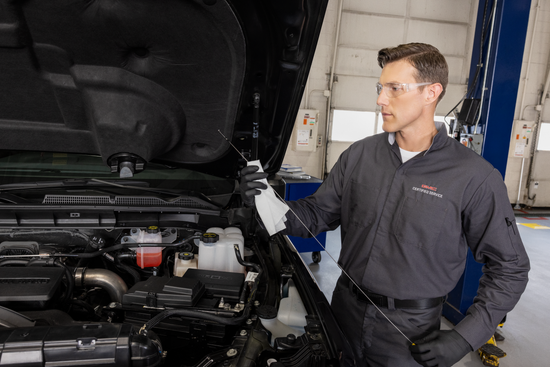
If you’re driving a Chevrolet or GMC through Wilmington, Braidwood, or Coal City, you’ve likely noticed that a professional oil change at a certified dealer takes about 45 to 60 minutes. While "15-minute" lube shops are tempting, your modern GM engine is a high-performance machine that values precision over a stopwatch.

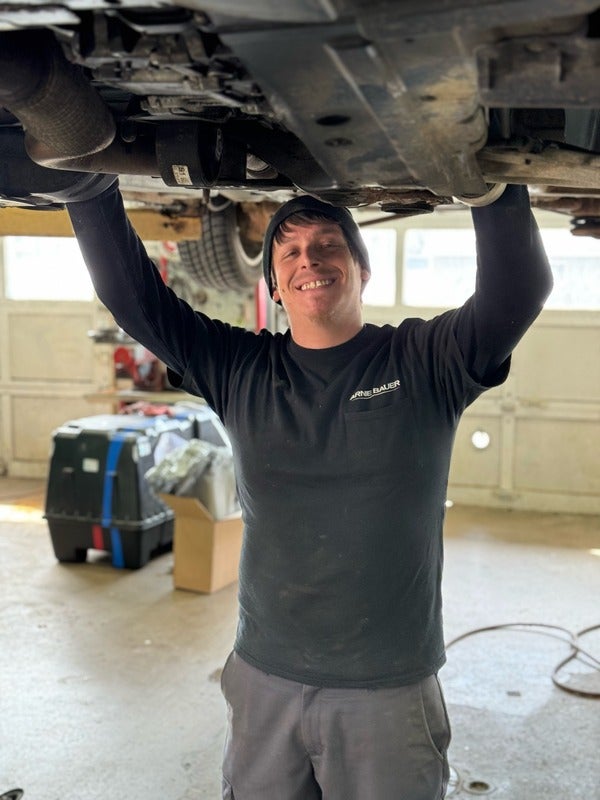
At Arnie Bauer Chevrolet GMC, we believe in doing it right the first time. Here is a look behind the scenes at why a proper oil change takes a bit more time—and why your vehicle will thank you for it.


The Clock is Ticking for a Reason: The 45-60 Minute Standard

When you bring your truck or SUV to our Wilmington, IL service center, we aren't just swapping fluid. We are performing a comprehensive maintenance routine. That hour of service ensures:

  • A Complete Drain: Rushing the process leaves old, contaminated sludge at the bottom of the pan. We let gravity do its job so your new oil stays clean longer.
  • Dexos® Certified Standards: Most modern GM engines require dexos-approved synthetic oil. Using the wrong grade or a "generic" blend can tank your fuel economy and even void your powertrain warranty.
  • Filter Integrity: We replace your filter with a genuine GM part. "Quick-lube" shops often use lower-grade filters that can’t handle the high-pressure demands of a GMC Sierra or Chevy Silverado.

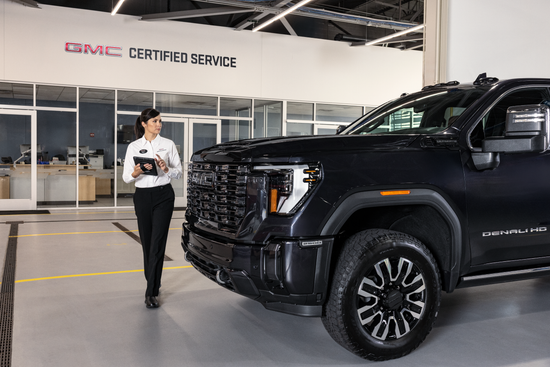
Why Wilmington Drivers Choose Certified GM Service

While you wait in our comfortable lounge, our factory-trained technicians are doing more than just turning a wrench. Every oil change at Arnie Bauer Chevrolet GMC includes:

  1. Multi-Point Inspection: We check your tire pressure, brake pads, battery health, and fluid levels. It’s better to catch a small leak in Wilmington today than break down on I-55 tomorrow.
  2. Software & Recall Check: Because we are a certified dealer, we check for any GM software updates or open recalls—something a neighborhood "quickie" shop simply cannot do.
  3. Oil Life Monitor Reset: We ensure your vehicle’s computer is accurately recalibrated to your new oil, ensuring your dashboard alerts stay synchronized with your driving habits.

How Often Should You Visit Arnie Bauer for Service?

Thanks to advanced synthetic oils, most Wilmington drivers can go between 5,000 and 7,500 miles between visits. However, your Oil Life Monitoring System is the ultimate boss.

Pro Tip: Your OnStar® system will give you a "non-critical" warning at 20% oil life. We recommend scheduling your service appointment once you hit the 10% mark to ensure your engine never runs on degraded oil.

The Bottom Line: Protection Over Speed

A slightly longer wait today prevents a massive repair bill tomorrow. By using the correct dexos oil, allowing for a full drain, and performing a safety inspection, we protect the resale value and longevity of your vehicle.

Need an oil change in Wilmington, IL? Keep your Chevy or GMC running like new. Click here to schedule your Certified GM Service at Arnie Bauer Chevrolet GMC today!

Recommended Posts

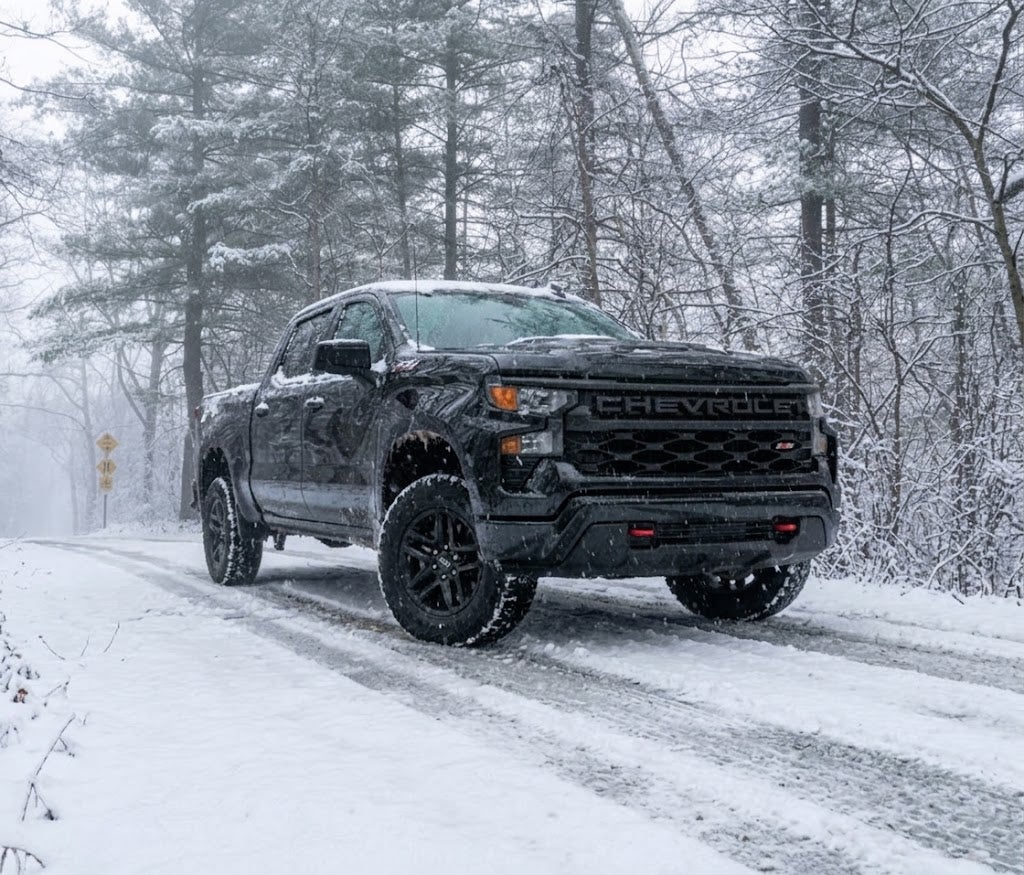
Black Chevrolet Silverado Trail Boss parked on a snow-covered dirt road surrounded by winter trees in Wilmington IL

Chevy Slow to Start on Cold Mornings? Your Battery Is Trying to Tell You Something

Out here along Route 66 in Wilmington, winter mornings come with biting wind across open fields and temperatures that drop fast. That kind of weather is tough on any truck, SUV, or car sitting outside overnight. If your Chevrolet has been a little slow to fire up lately, don't ignore the warning sign. A slow turn on a chilly autumn morning almost always turns into a dead battery by January. What's Really Happening to Your Chevy's Battery in Cold Weather? Cold weather slows down the chemical reaction inside your battery, reducing its ability to generate electrical current. At the same time, freezing temperatures thicken your engine oil, forcing the starter motor to work twice as hard. In short: your battery has significantly less power to give right when your Chevrolet engine demands the most. Furthermore, batteries that were weakened by hot summer temperatures are usually the first to fail when the first cold snap hits Will County. Quick Checklist: Signs Your Chevy Battery Is Failing If you notice any of these common symptoms, your battery is likely reaching the end of its lifespan: Slow Engine Crank: The engine turns over sluggishly or makes a clicking sound when turning the key or pushing Push-Button Start. Jump Start History: You've had to use jumper cables or a portable jump pack within the last few months. Dimming Lights: Headlights or interior cabin lights dim when idling or powering up accessories like heated seats or defrost. Dashboard Warning Lights: A battery icon, charging system message, or Check Engine light appears on your display. Inactive Auto Stop/Start: The Auto Stop/Start system stops engaging during normal driving stops. Corrosion on Terminals: White, blue, or green powdery crust is visible around the battery posts. Age: The battery is more than 3 to 5 years old. Local Tip: If you checked two or more items above, stop by Arnie Bauer Chevrolet GMC for a quick battery health test before winter sets in. Why Trucks, Commercial Vehicles, and Modern Chevy SUVs Need Extra Power Modern vehicles place heavier demands on electrical systems than older models did: Vehicle Type High-Power Accessories & Conditions Battery Requirement Silverado / Commercial Trucks Snowplow controllers, auxiliary light bars, trailer brake controllers, heavy towing loads High Cold-Cranking Amps (CCA) & Heavy-Duty Charging Tahoe, Suburban & Traverse Multi-zone climate control, heated seats, multiple passenger devices plugged into USB ports Extended reserve capacity for high electrical loads Short Commuters & Work Vehicles Frequent short trips around Wilmington, job site hops, school drop-offs High-efficiency charging (short trips don't give standard alternators time to fully recharge) Absorbent Glass Mat (AGM) vs. Standard Lead-Acid Batteries Many modern Chevrolet vehicles equipped with Auto Stop/Start technology require an AGM (Absorbent Glass Mat) battery. Installing a standard flooded lead-acid replacement in a vehicle designed for an AGM battery can lead to premature battery failure, electrical errors, and damage to your alternator. Chevrolet EV Owners: Don't Forget Your 12-Volt Battery If you drive an Equinox EV, Blazer EV, or Silverado EV, your vehicle still relies on a standard 12-volt accessory battery. While the large high-voltage lithium-ion pack propels the vehicle, the 12V battery powers the onboard computers, safety systems, door locks, and contactors that initialize the main EV system. If your 12V battery dies, your electric vehicle will not start—even with a 100% full high-voltage charge. What the Arnie Bauer Chevrolet GMC Service Team Checks When you bring your vehicle to our Wilmington service center, our certified GM technicians perform a comprehensive battery and electrical system diagnosis: Battery Health & Cold-Cranking Power: Testing remaining CCA against factory specs. Alternator & Charging Output: Ensuring your engine is properly recharging the battery while driving. Terminals, Cables & Grounding: Cleaning corrosion and tightening loose physical connections. Exact GM-Recommended Replacement: Matching your specific Chevrolet model with the precise ACDelco AGM or Flooded battery rated for your powertrain. Frequently Asked Questions How long does a battery test take at Arnie Bauer Chevrolet? A standard battery and charging system test takes roughly 15 to 20 minutes. Our GM-certified service technicians can test your battery right on the drive during a routine oil change or tire rotation. How often should I replace my Chevy battery in Northern Illinois? In Illinois, automotive batteries typically last between 3 and 5 years. Extreme summer heat followed by sub-zero winter temperatures accelerates internal battery degradation. Where can I get a Chevy battery tested near Wilmington, IL? You can get your battery tested at Arnie Bauer Chevrolet GMC, conveniently located at 901 E Baltimore St. in Wilmington, serving drivers across Wilmington, Braidwood, Coal City, Elwood, Manhattan, and surrounding Will County. Stop In Before Winter Sets In Don't wait to be stranded on a freezing morning. Arnie Bauer Chevrolet GMC is right here at 901 E Baltimore St. in Wilmington, IL, serving drivers throughout Wilmington, Braidwood, Coal City, Elwood, Manhattan, and across Will County. We'll test your battery quickly and give you a straight, honest answer on its condition. 📍 Address: 901 E Baltimore St, Wilmington, IL 60481 📞 Service Direct Line: 815-926-1206 ⏰ Service Hours: Monday–Friday 7:00 AM – 5:00 PM | Saturday 8:00 AM – 1:00 PM | Sunday Closed 👉 Click Here to Schedule Your Chevy Service Online or call our service department today!

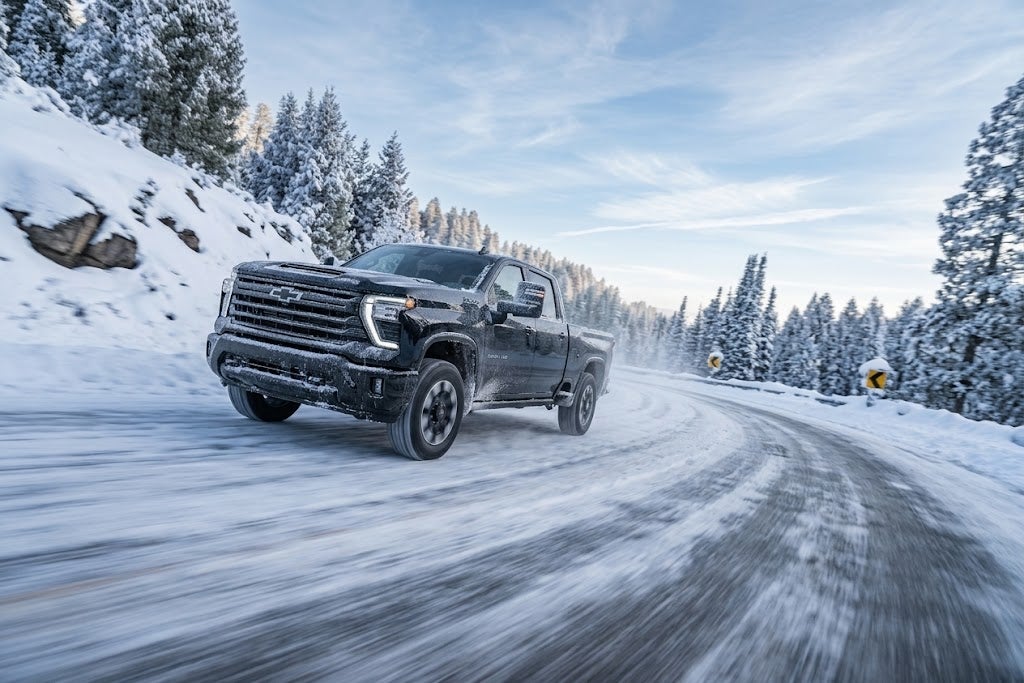
Black Chevy Silverado HD pickup truck driving on a snow-covered road lined with frosted evergreen trees in winter

Preparing Your Chevy Truck for Midwest Winters: When to Switch to Winter Tires and Service Your 4WD System 

By the Arnie Bauer Chevrolet Service Team · Published October 16, 2026 · Updated October 16, 2026 Quick Answer: How Do You Prepare a Chevy Truck for a Midwest Winter? Switch to winter tires when daytime temperatures stay below about 45°F, which in northern Illinois usually means late October to mid-November. Before the first snow, have your tires, battery, brakes, wipers, coolant and 4WD fluids checked. If you drive a Silverado EV, precondition the battery while plugged in and plan for some winter range loss. Booking service in fall keeps your truck dependable all winter. Your Winter Prep Timeline When What to do Mid-October Book a tire swap and multi-point inspection; have the battery tested Late October to mid-November Install four winter tires once temperatures hold below 45°F Before the first snow Service 4WD fluids if due; replace wipers; fill washer fluid All winter Check tire pressure monthly; don’t let the fuel tank or EV battery run low April Switch back to all-season tires once temperatures hold above 45°F Why Midwest Winters Are Hard on Trucks Wilmington and the greater Will County area deal with arctic cold snaps, freezing rain, black ice, road salt and sudden drops in temperature. Trucks carry heavier front ends and often ride lighter in the rear, which changes how they brake and handle on slick roads. Preparing early is the best way to avoid a breakdown, a slide-off or an expensive repair in January. When Should You Switch to Winter Tires? The 45°F rule. The rubber in all-season and summer tires stiffens as temperatures fall, which reduces grip. Winter tires use softer compounds that stay flexible in the cold, so tire experts generally recommend making the switch once temperatures stay below about 45°F (7°C), even before the first snowfall. Typical Illinois timeline: Mid-October: Schedule your appointment and compare tire options. Late October to mid-November: Install winter tires as overnight lows hover near freezing. April (or when temperatures stay above 45°F): Swap back to all-seasons, since winter tires wear faster in warm weather. Winter tires vs. all-season tires. Winter tires combine deeper tread, more biting edges and flexible compounds. Look for the three-peak mountain snowflake (3PMSF) symbol on the sidewall, which marks a tire that meets industry traction standards for severe snow service. Tire Rack, an independent tire tester, says good winter performance takes an appropriate tread design, a pliable compound and enough tread depth. Check your tires either way: Tread depth: Tire Rack recommends replacing tires at about 5/32 inch of remaining tread if you expect snow-covered roads. The legal minimum in most states, including Illinois, is 2/32 inch. Measure with a quarter, not a penny. Tire pressure: Tire Rack notes that a tire filled to 32 PSI at 70°F drops to about 28 PSI at 30°F, roughly 1 PSI per 10°F. Check monthly and match the placard on your driver’s door jamb. Always install a full set of four. Mixing winter and all-season tires can cause unpredictable handling. Does 4WD Mean You Don’t Need Winter Tires? No. Four-wheel drive helps your truck accelerate in snow, but it does not help you stop or steer any better. Those depend on your tires. A 4WD truck on worn all-seasons can still slide through an intersection, so winter tires and a well-maintained 4WD system work best together. How to Service Your Chevy Truck’s 4WD System Many Chevy trucks, including the Silverado and Colorado, offer selectable 4WD modes such as 2WD, 4Auto, 4HI and 4LO, depending on model and trim. Because the system sits unused for much of the year, fall is the right time for a check. Ask your service team about: Transfer case fluid: This fluid lubricates the components that send power to the front axle. Old or low fluid can cause shifting problems or damage. Front and rear differential fluid: Fluid breaks down over time, especially with towing, hauling or plowing. Driveline components: U-joints, CV axles, driveshafts and seals can wear or leak. 4WD shift function: Confirm the system engages smoothly and the dash indicators work. Recalls and updates: Check for open recalls tied to your VIN. Check your owner’s manual for the factory-recommended service intervals for your specific truck, since they vary by model, drivetrain and use. As one example, the 2025 Silverado HD owner’s manual reportedly calls for transfer case fluid replacement about every 50,000 miles, or every 25,000 miles under severe service such as towing or plowing. Tips for Using 4WD in Winter Use 4HI or 4Auto on snow, ice or slick roads. Avoid 4HI on dry pavement. Reserve 4LO for deep snow, steep grades or getting unstuck at low speeds. Engage 4WD before you lose traction, not after. Slow down and leave extra stopping distance. 4WD does not shorten it. Driving a GMC Sierra? The GMC Sierra 1500 is a close sibling of the Silverado 1500, so the winter tire, 4WD mode and fluid-service advice above generally applies. Check your owner’s manual for your trim’s details. Arnie Bauer GMC also serves drivers at the same Wilmington address, and you can browse Sierra inventory at arniebauergmc55.com. Winter-Proofing a Chevy Silverado EV A Silverado EV handles Illinois winters well, but expect less range and slower charging when it’s cold. These habits help: Expect some range loss. A University of Calgary summary of cold-weather testing says EV batteries can lose around 25% of their range below freezing. In a Canadian Automobile Association (CAA) test of 14 EVs in sub-zero temperatures, the Silverado EV lost the least range, about 14%. Precondition while plugged in. Warming the battery and cabin before you leave, ideally from a scheduled departure in the app, uses power from the grid instead of your driving range. Mind your tires. Check pressure monthly. Quality winter tires can also improve efficiency compared with cold-stiffened all-seasons, according to Autoblog. Plan charging stops. Cold batteries charge more slowly, so build in extra time on winter trips and charge before you get low. Drive smoothly. Moderate speeds, regenerative braking and Eco mode on snow-covered roads all help. Skip the transfer case, not the maintenance. Dual-motor AWD trims use electric drive units instead of a mechanical transfer case, so the fluid service above doesn’t apply. Tires, brakes, wipers and the 12-volt battery still need a fall check, and your owner’s manual lists the scheduled maintenance. Curious about electric? Schedule a Silverado EV test drive or browse our Silverado EV inventory. Your Winter Prep Checklist for Chevy Trucks Battery: Cold weather cuts battery output, so have it load-tested. Brakes: Inspect pads, rotors and brake fluid. Wipers and washer fluid: Install winter blades and fill with a de-icing washer fluid. Engine oil: Use the grade your owner’s manual recommends for cold starts. Coolant: Confirm proper antifreeze protection. Lights: Check headlights, taillights and fog lights. Undercarriage: Wash away salt and inspect for rust, a bigger issue on Illinois roads. Emergency kit: Include a blanket, flashlight, jumper cables, shovel, ice scraper, traction aid and phone charger. Why Schedule Winter Prep at Arnie Bauer Chevrolet? Arnie Bauer Chevrolet has served Illinois drivers for over 70 years as a family-owned dealership and part of the Arnie Bauer Auto Group. Our certified, GM-trained technicians use genuine GM OEM parts for tire service, battery testing, brake service, oil changes, cooling system service and multi-point inspections. Ask our service team about transfer case and differential fluid service for your truck. We’re at 901 E Baltimore St. in Wilmington, just off Route 66 and about 20 miles from Joliet, and we serve drivers in Plainfield, Morris, Braidwood, Coal City, Channahon, Kankakee and surrounding Will and Grundy County communities. Use our Tire Finder to start your search, and see our current service specials. Ready to get started? Schedule service: Book online Shop tires: Arnie Bauer tire center Call us: 815-926-1206 (service) or 815-926-1460 (sales) Visit us: Arnie Bauer Chevrolet, 901 E Baltimore St., Wilmington, IL 60481. Service hours are Monday to Friday 7:00 AM to 5:00 PM and Saturday 8:00 AM to 1:00 PM. Frequently Asked Questions When should I put winter tires on my Chevy truck in Illinois? Put them on when temperatures consistently fall below 45°F, typically late October to mid-November in northern Illinois. Don’t wait for the first snowfall. When should I take winter tires off? Switch back to all-season tires in spring once temperatures stay above 45°F. Driving on winter tires in warm weather wears them out faster. Do I need winter tires if my truck has 4WD? Yes, they are strongly recommended. 4WD improves traction when accelerating, but winter tires improve braking and cornering on snow and ice. How often should I service my truck’s 4WD system? Follow the intervals in your owner’s manual and have the system inspected each fall. As one example, the 2025 Silverado HD manual reportedly calls for transfer case fluid replacement about every 50,000 miles, or every 25,000 miles under severe service. Can I use 4WD on dry pavement? Generally no. Some modes, such as 4HI, can cause driveline binding and wear on dry roads. Auto modes are designed to manage this, so check your manual for your model. Do I need all four winter tires, or just two? All four. Installing only two can upset the balance of your truck and reduce control. How much tread do I need for winter driving? Tire Rack recommends replacing tires at about 5/32 inch of remaining tread if you expect snow-covered roads. The legal minimum in most states is 2/32 inch. How much range does a Silverado EV lose in winter? Expect some loss. EV batteries can lose around 25% of their range below freezing, though the Silverado EV lost about 14% in a CAA cold-weather test. Preconditioning while plugged in helps. Does this advice apply to a GMC Sierra? Generally yes. The Sierra 1500 is a close sibling of the Silverado 1500, but check your owner’s manual for your trim’s 4WD modes and service intervals. How much does winter tire installation and service cost? Pricing depends on tire size, brand and your truck’s model. Contact Arnie Bauer Chevrolet’s service department for a quote. Don’t Wait for the First Snowstorm A little preparation in fall can prevent big problems in January. Contact Arnie Bauer Chevrolet in Wilmington, IL to book your winter tire installation and winter prep service today.

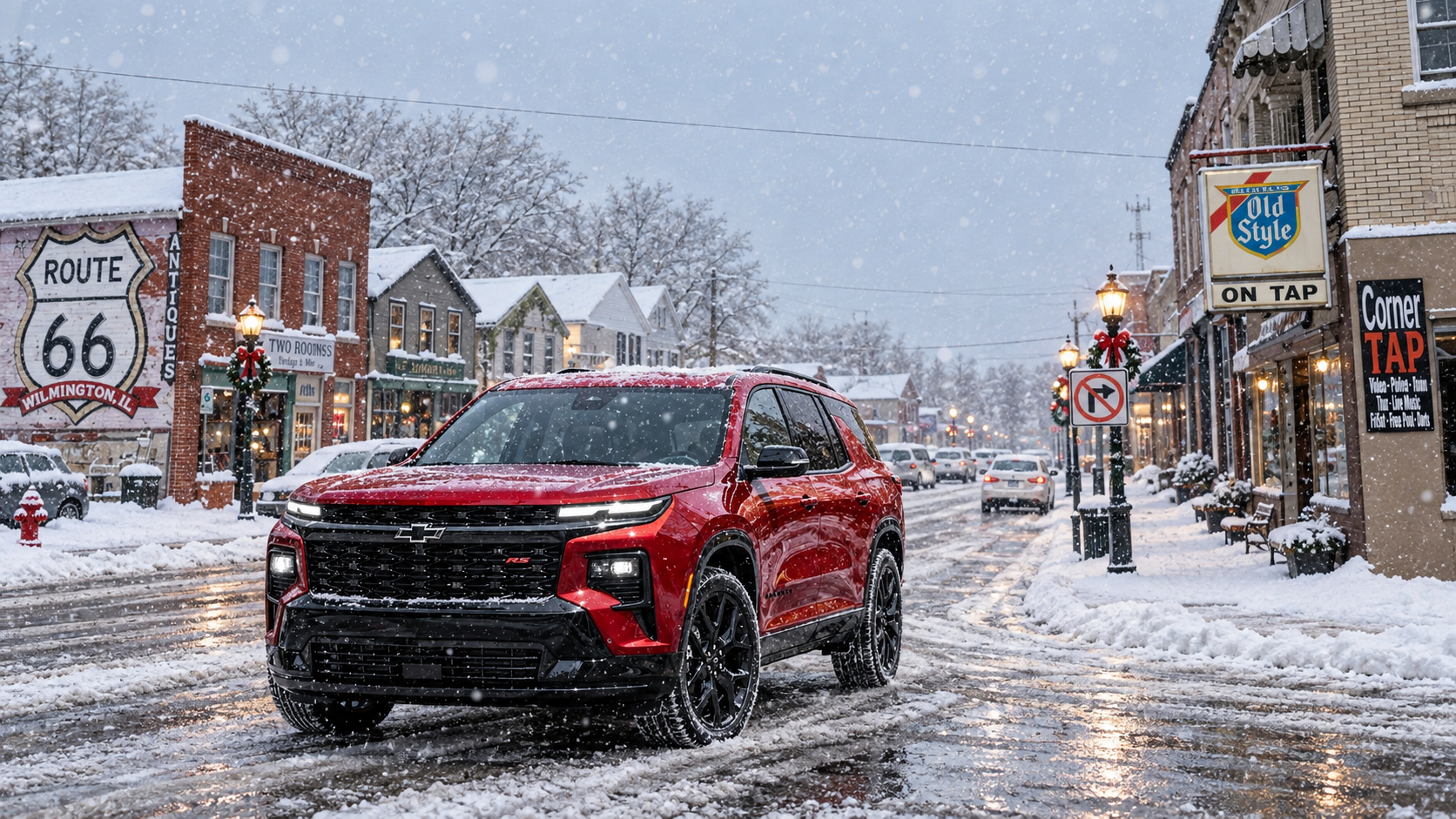
2027 Chevrolet Traverse shown in a snowy Route 66 setting in Wilmington, Illinois.

What Is the Best Chevy SUV for Chicago Winters?

Chicago winters can be unpredictable. Snow-covered roads, freezing temperatures, icy intersections, strong winds and rapidly changing conditions can make the right vehicle especially important for drivers throughout Northern Illinois. For drivers in Wilmington, Joliet, Morris, Coal City, Braidwood, Channahon, Minooka and surrounding Will and Grundy County communities, choosing a Chevrolet SUV for winter driving often comes down to a few key considerations: traction, passenger space, cargo capacity, comfort and the type of driving you do most often. So, what is the best Chevy SUV for Chicago winters? There isn't one answer for every driver. Chevrolet offers compact SUVs with available all-wheel drive, spacious three-row SUVs and full-size models with available four-wheel drive. Chevrolet also offers electric SUVs with available AWD for drivers considering an EV. Here are some of the Chevrolet SUVs worth considering for winter driving in Chicago and Northern Illinois. Chevrolet Equinox: A Versatile Choice for Everyday Winter Driving For many Chicago-area drivers, the Chevrolet Equinox provides a practical combination of manageable size, passenger space and available all-wheel drive. The 2026 Chevrolet Equinox is powered by a 1.5L turbocharged engine producing 175 horsepower and is available with AWD. It also provides up to 63.5 cubic feet of maximum cargo volume, giving drivers useful space for groceries, luggage, winter gear and everyday cargo. Cold-weather comfort is another advantage. Heated front seats and a heated steering wheel are included on the 2026 Equinox LT. For drivers commuting around Wilmington, Joliet, Morris, Coal City and surrounding communities, an AWD-equipped Equinox can be a practical choice for year-round driving without moving into a larger three-row SUV. Chevrolet Traverse: Three-Row Space with Available AWD Families who need more passenger and cargo space may want to consider the Chevrolet Traverse. The 2026 Chevrolet Traverse offers available all-wheel drive, available seating for up to eight passengers and up to 98 cubic feet of maximum cargo volume. Heated front seats and a heated steering wheel are also standard on the 2026 Traverse, adding welcome comfort during cold Illinois mornings. The Traverse can be especially appealing to families who regularly carry children, passengers, groceries, sports equipment or luggage but don't necessarily need the size of a full-size Tahoe or Suburban. For family driving between Wilmington, Joliet, Morris and the greater Chicago area, the Traverse combines three-row versatility with available AWD. Chevrolet Blazer: A Sporty Two-Row SUV with Available AWD Drivers looking for a two-row SUV with a sportier personality may want to consider the Chevrolet Blazer. The 2026 Chevrolet Blazer seats up to five passengers and provides up to 64.2 cubic feet of maximum cargo volume. All-wheel drive is available, while the Blazer RS AWD features an Advanced Twin-Clutch AWD system. The Blazer's Driver Mode Selector can also include an available Snow/Ice Mode, depending on configuration. This mode is designed to help the vehicle adapt its performance to slippery road surfaces. Remote start is also standard on the 2026 Blazer, which can be particularly convenient during an Illinois winter. For drivers who want more space than a compact crossover while still preferring a two-row SUV, the Blazer offers another option within Chevrolet's winter-capable lineup. Chevrolet Trailblazer: Compact Size with Available AWD Not every driver needs a large SUV to handle everyday life in Northern Illinois. The 2026 Chevrolet Trailblazer is a compact SUV with seating for up to five and available all-wheel drive. Its smaller dimensions can make it convenient for commuting, parking and everyday errands while still giving drivers the option of AWD. For someone looking for a compact Chevy SUV for driving around Wilmington, Joliet, Morris or the southwest Chicago suburbs, an AWD-equipped Trailblazer may be worth considering. Chevrolet Tahoe: Full-Size Space and Available 4WD Drivers who need considerably more passenger room, cargo capacity or capability should consider the Chevrolet Tahoe. The 2026 Chevrolet Tahoe offers seating configurations for up to nine passengers and as much as 122.7 cubic feet of maximum cargo volume. Four-wheel-drive configurations are available, giving shoppers another drivetrain option when comparing vehicles for winter weather, towing, travel and other demanding driving needs. The Tahoe is especially relevant for larger families or drivers who routinely carry significant amounts of cargo and want the size and capability of a full-size SUV. For winter road trips, family travel and daily driving throughout Northern Illinois, the Tahoe provides much more interior room than Chevrolet's compact and midsize SUVs. Chevrolet Suburban: Maximum Passenger and Cargo Space For drivers who want even more room, the Chevrolet Suburban expands on the full-size SUV formula. The 2026 Suburban offers available seating for up to nine passengers and up to 144.5 cubic feet of maximum cargo volume. Four-wheel-drive configurations are available as well. That combination can be particularly useful for large families or drivers who routinely travel with passengers, luggage, sporting equipment or other bulky cargo. For shoppers around Wilmington, Joliet, Morris and surrounding Will and Grundy County communities who prioritize maximum interior space, the Suburban deserves consideration. Is AWD or 4WD Worth It for Chicago Winters? For many Northern Illinois drivers, AWD or 4WD can be beneficial when winter weather arrives. All-wheel drive and four-wheel drive can help improve traction when accelerating on snow-covered or slippery surfaces because power can be delivered through all four wheels rather than only two. However, AWD and 4WD do not make a vehicle immune to winter conditions. They do not eliminate the need for additional stopping distance, appropriate speeds or properly maintained tires. Tires remain the vehicle's direct connection to the road and play an important role in braking, steering and overall traction. Drivers who frequently travel during snow, ice and prolonged freezing temperatures should consider drivetrain and tire condition together when preparing a vehicle for an Illinois winter. What Features Should You Look for in a Chevy SUV for Winter? When shopping for a Chevrolet SUV for winter driving, available AWD or 4WD is often one of the first features shoppers consider. But drivetrain isn't the only consideration. Cold-weather comfort features such as heated front seats, a heated steering wheel and remote start can make freezing mornings much more comfortable. Feature availability varies by model, trim and configuration. Visibility and driver-assistance technology may also be useful when winter weather makes driving more demanding. Snow, darkness, road spray and reduced visibility can all add challenges during an Illinois winter. And don't overlook your tires. Even with AWD or 4WD, proper tire condition is important for braking, steering and available traction. Are Electric Chevrolet SUVs Good for Chicago Winters? Chevrolet electric SUVs can also be driven year-round in cold climates. Chevrolet currently offers electric SUVs such as the Equinox EV and Blazer EV, with AWD configurations available. Chevrolet states that its EVs are subjected to testing in conditions as cold as -40°F to evaluate areas including battery function, traction and cabin climate control. Cold weather can still affect EV range efficiency. Factors including outside temperature, cabin heating, vehicle condition and driving behavior can influence how much range is available during winter. Chevrolet EVs use technologies including battery thermal management and heat-pump systems to help manage cold-weather performance and efficiency. For shoppers considering an EV in Wilmington or the surrounding Chicago area, home-charging access, daily driving distance and typical winter travel should all be considered when deciding whether an electric SUV fits their lifestyle. Which Chevy SUV Is Best for a Chicago Winter? The best Chevrolet SUV for a Chicago winter depends on how you drive. For everyday commuting and smaller families, the Chevrolet Equinox offers available AWD in a compact package along with useful cargo space and cold-weather comfort features. Drivers who prefer an even smaller SUV can consider the Trailblazer with available AWD. The Blazer offers a larger two-row alternative with available AWD and available Snow/Ice Mode. Families who need three rows can consider the Traverse, which combines available AWD with seating for up to eight and substantial cargo capacity. Drivers who need full-size passenger capacity, cargo space or available four-wheel drive can compare the Tahoe and Suburban. Rather than choosing based on size alone, consider where you drive, how many people you regularly carry, how much cargo space you need and which drivetrain makes the most sense for your daily routine. Frequently Asked Questions About Chevy SUVs and Chicago Winters What is the best Chevy SUV for Chicago winters? The best Chevrolet SUV for Chicago winter driving depends on your individual needs. The Equinox offers available AWD in a compact SUV, while the Traverse combines available AWD with three-row seating. Drivers who need a larger full-size SUV can consider the Tahoe or Suburban with available four-wheel drive. Which Chevy SUVs have AWD? Chevrolet offers available all-wheel drive on several SUVs, including the Trailblazer, Equinox, Blazer and Traverse. Chevrolet also offers AWD configurations of electric SUVs such as the Equinox EV and Blazer EV. Availability varies by model, trim and configuration. Does AWD help in snow? AWD can improve traction when accelerating on snow-covered or slippery roads because the vehicle can send power through all four wheels. AWD does not eliminate the need for careful driving, adequate stopping distance or properly maintained tires. Is the Chevy Equinox good for snow? The Chevrolet Equinox is available with all-wheel drive, which can provide additional traction when accelerating on slippery surfaces. The 2026 Equinox LT also includes heated front seats and a heated steering wheel for added cold-weather comfort. Does the Chevy Traverse have AWD? Yes. All-wheel drive is available on the 2026 Chevrolet Traverse. The Traverse also offers three rows of seating and can accommodate up to eight passengers when properly configured. Does the Chevy Blazer have a Snow Mode? The 2026 Chevrolet Blazer offers an available Snow/Ice Mode through its Driver Mode Selector. Drive modes and availability vary depending on vehicle configuration. Which Chevrolet SUVs offer 4WD? Full-size Chevrolet SUVs including the Tahoe and Suburban are available with four-wheel-drive configurations. Do I need good tires if my Chevy has AWD or 4WD? Yes. AWD and 4WD can help with acceleration traction, but your tires still play a critical role in braking, steering and overall grip. Tire condition and the type of tire being used should be considered when preparing for winter driving. Can a Chevy EV handle a Chicago winter? Chevrolet EVs are designed and tested for year-round use, including cold-weather conditions. Cold temperatures can affect range efficiency, so winter EV drivers should consider charging habits, cabin heating, driving conditions and typical travel distances. Where can I shop for a Chevy SUV near Joliet, Morris or Coal City, Illinois? Arnie Bauer Chevrolet in Wilmington, Illinois, serves Chevrolet shoppers from Wilmington, Joliet, Morris, Coal City, Braidwood, Diamond, Channahon, Minooka and surrounding Will and Grundy County communities. Drivers can compare Chevrolet SUVs with available AWD and 4WD to determine which size, drivetrain and features best fit their needs. Find Your Chevrolet SUV at Arnie Bauer Chevrolet in Wilmington, IL A Chicago winter can look very different depending on where and how you drive. A daily commute around Wilmington may require something different than regular trips to Joliet, Morris or Chicago, long-distance family travel, towing or driving on rural roads throughout Will and Grundy counties. At Arnie Bauer Chevrolet in Wilmington, Illinois, shoppers can compare Chevrolet SUVs ranging from the compact Trailblazer and Equinox to the three-row Traverse and full-size Tahoe and Suburban. Our team can help you compare available AWD and 4WD systems, passenger capacity, cargo space, cold-weather features and gas or electric powertrains based on the way you actually drive. Explore our current Chevrolet SUV inventory online, schedule a test drive or visit Arnie Bauer Chevrolet in Wilmington, IL, to find a Chevrolet SUV that fits your needs this winter and throughout the year.